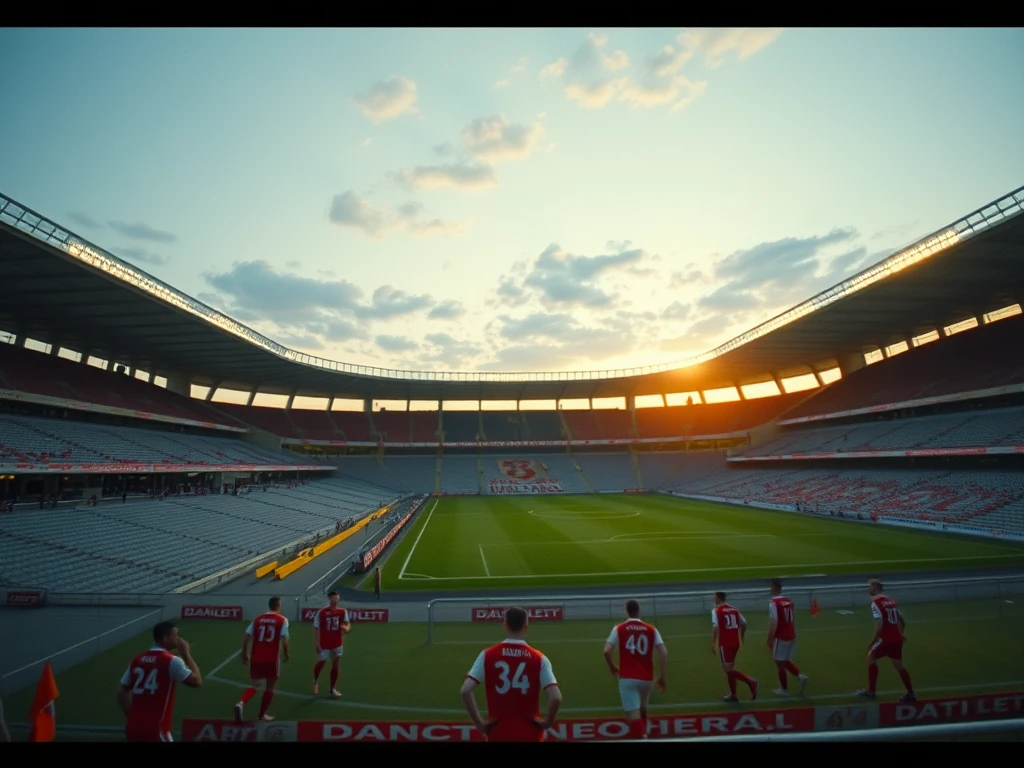

Tactical Insights: Enhancing Aberdeen FC's Recent Performance
Aberdeen FC has shown glimpses of promise in their recent matches, but consistency remains an elusive target. With a solid foundation already in place, it’s time to delve into tactical adjustments that could elevate The Dons' performance and edge them closer to their aspirations in the league.
Current Formation and Tactical Setup
In recent fixtures, Aberdeen has primarily employed a 4-2-3-1 formation, allowing them to maintain a solid defensive structure while offering flexibility in attack. However, the effectiveness of this formation has varied, especially against teams that press high and exploit spaces in midfield. The need for a more fluid transition between defence and attack has become increasingly apparent, with the midfield often looking overrun against stronger opposition.
Suggested Tweaks: Midfield Dynamics
One key area for improvement lies within the midfield dynamics. While the double pivot setup provides defensive cover, it can often lead to stagnation in build-up play. Introducing a more dynamic midfielder, who can push forward and link up with both the attacking midfielders and strikers, could create more opportunities. This could mean adjusting to a 4-3-3 formation, which allows for a more aggressive stance in the middle of the park.
Having three central midfielders can help control possession more effectively and create better passing lanes, allowing players like Brad Lyons to engage further up the pitch while still providing defensive stability. Additionally, encouraging wide play through the wingers can stretch the opposition, allowing for more space in central areas.
Wing Play and Full-Back Involvement
Another adjustment could be focusing on the involvement of full-backs in the attacking phase. The ability of full-backs to overlap and create width is crucial, especially when the opposition is compact. Players like Hayden Coulson can be further encouraged to make forward runs, providing additional options and pulling defenders out of position. This would allow wingers like Matty Kennedy to cut inside more frequently, creating goal-scoring opportunities or opening space for overlapping runs.
Defensive Structure and Transition
Defensively, while the back four has shown resilience, the team must improve its transition from defence to attack. Quick ball recovery and swift counter-attacks can catch opponents off guard. This can be implemented by instilling a high press when the opposition has the ball, forcing them into mistakes and regaining possession higher up the pitch. This tactic has been successfully employed by rival teams, and it’s crucial for The Dons to adopt a similar approach.
Conclusion: Embracing Tactical Flexibility
In summary, while Aberdeen FC has shown potential in their recent matches, adapting their tactical approach could be the key to unlocking greater consistency and success. By focusing on a more dynamic midfield, enhancing wing play, and improving defensive transitions, The Dons can better navigate the challenges of the league and strive for the results that their passionate supporters expect. As the season progresses, embracing tactical flexibility will be essential for Aberdeen to harness their full potential.