Stuart Armstrong has admitted Aberdeen's playing identity remains 'unclear' in matches, a frank assessment that follows a frustrating start to the Premiership season. The experienced midfielder defended manager Stephen Robinson's recent comments on player fatigue but pinpointed a mental challenge after a demanding run of fixtures against Rangers and Celtic.
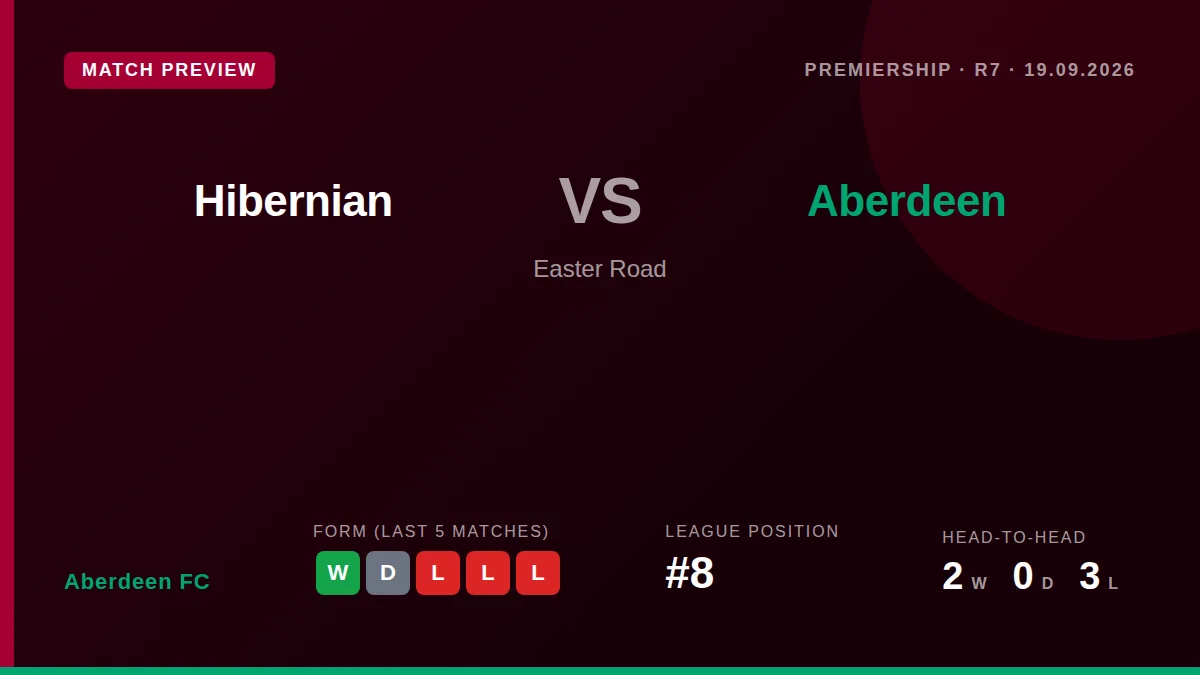
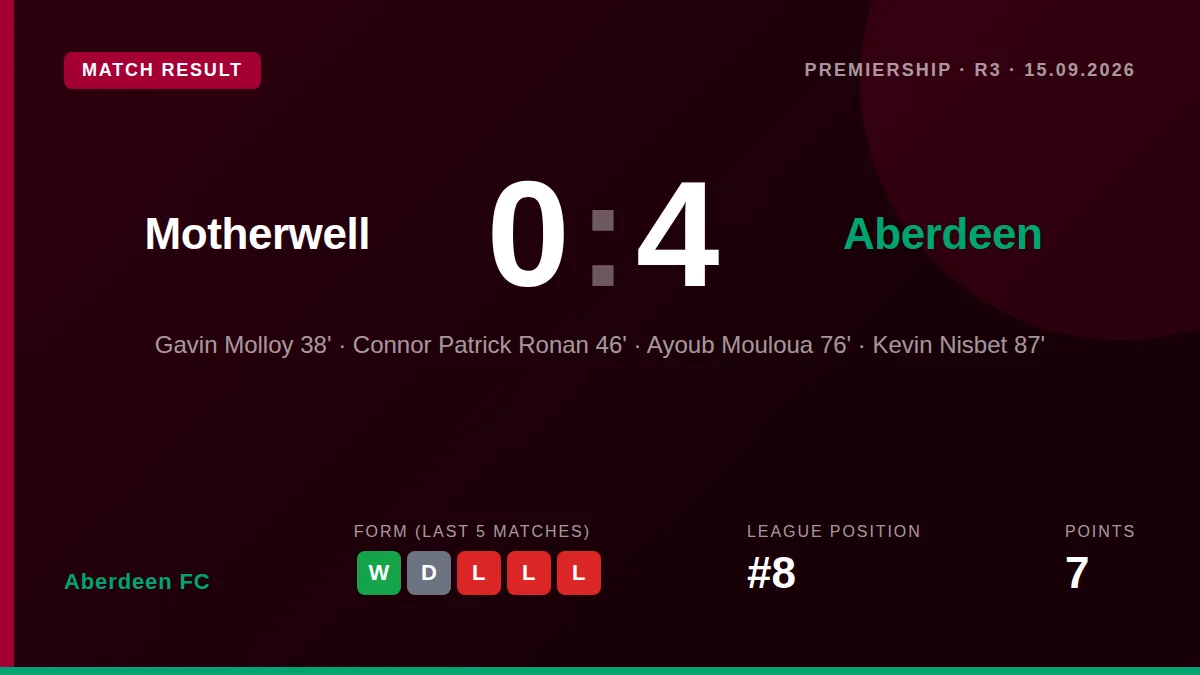
Armstrong, who joined from Southampton this summer, spoke after the Dons were booed off following a 0-0 home draw with Kilmarnock on September 5. That result left the club 10th in the table with just four points from five games, having scored only two league goals all season. The team's recent form reads one win, one draw and three losses, a sequence that includes heavy defeats to the Old Firm.
Identity gap frustrates squad
"It’s clear within the group, but it has probably been a bit unclear when you see the performances in games - which has been the frustration," Armstrong said. He explained that Robinson has a definite vision for how Aberdeen should play, with a focus on hard work, running, and defensive solidity. These fundamentals are evident in training sessions at Cormack Park, yet they have repeatedly failed to materialise on matchdays at Pittodrie.
The 34-year-old former Scotland international attributed part of the struggle to a summer of significant change, which saw 15 new players arrive. Integrating a squad featuring foreign signings, young prospects, and players new to Scottish football has been a complex task. Building the necessary on-pitch relationships and consistency takes time, a process complicated by the immediate pressure for results.
Defending the 'fatigue' claim
After the Kilmarnock draw, Robinson suggested his team looked tired following three games in a week. Armstrong supported that view, but clarified the nature of the exhaustion. "The challenge is always to get enough wins in the short-term so you can implement what you want longer term," he stated. He described the consecutive matches against Rangers and Celtic as particularly taxing, not only physically but mentally, which can drain a group still finding its feet.
Despite the poor offensive output, Aberdeen's defensive performances have shown more resilience than their attacking play. The clean sheet against Kilmarnock was a positive, though it came in a game lacking creativity. The broader issue is turning their training-ground work into a coherent, effective style that yields victories. Armstrong and his teammates believe in the process but acknowledge that an identity only becomes pleasing to supporters when it delivers wins.
The squad's injury list adds another layer of difficulty, with Bradley Lyons, Emmanuel Gyamfi, Kristers Tobers, and Kusini Yengi all currently sidelined. Their absence limits Robinson's options as he seeks the right blend.
Attention now turns to the Premier Sports Cup, where Aberdeen face Kilmarnock again in a quarter-final next week. Before that, the immediate focus is the Premiership and a home fixture against fifth-placed Motherwell on December 30. The players know that short-term results are essential to buy the time needed to forge the clear identity everyone at the club desires.