
Recent Tactical Analysis of Aberdeen FC
In recent weeks, Aberdeen FC has shown flashes of brilliance, but inconsistency has crept into their performances, leaving fans yearning for a more cohesive approach. The Dons have often relied on a 4-2-3-1 formation that aims to provide both defensive stability and attacking flair. However, the effectiveness of this formation has been challenged as teams begin to figure out how to neutralize their creative threats.
One of the most glaring issues is the midfield's inability to control the tempo of matches. While the double pivot of Graeme Shinnie and Lewis Ferguson has the potential to dominate, they have sometimes been caught too deep, leaving the attack isolated and lacking support. This has led to a concerning trend where the Dons struggle to transition from defence to attack, often resulting in a reliance on long balls or set pieces, rather than fluid play.
Suggested Tactical Tweaks
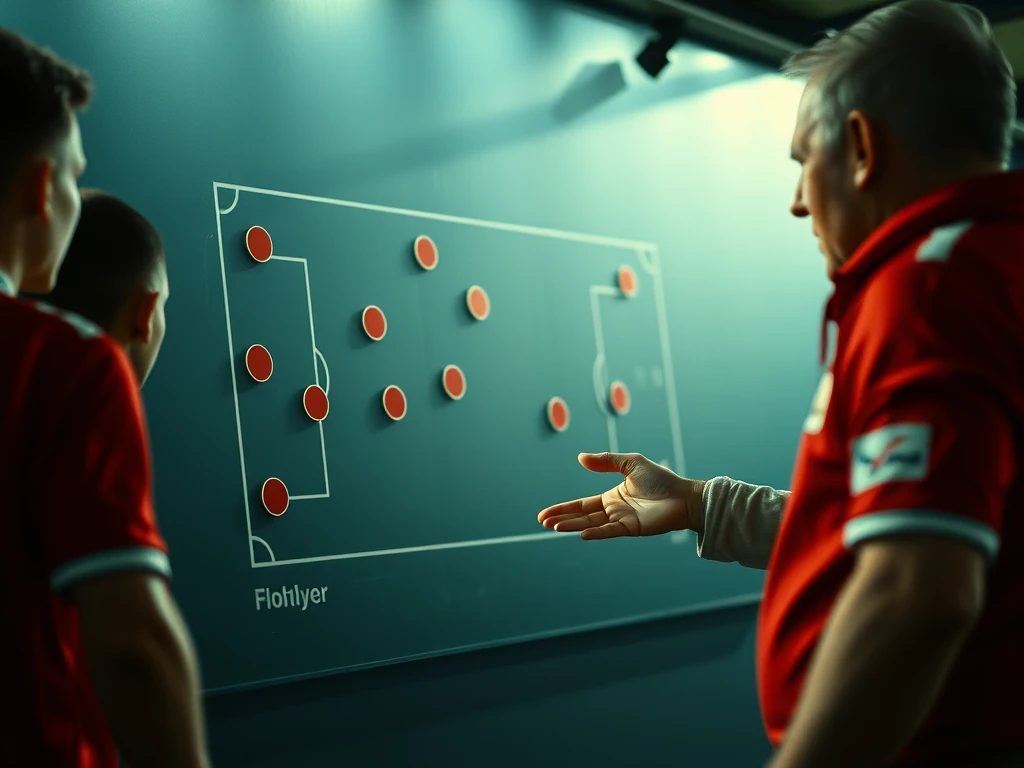
To address these issues, a slight tweak in formation could be beneficial. Shifting to a 4-3-3 setup could provide Aberdeen with a more dynamic midfield presence. This would allow for a more fluid interchange between the midfielders and forwards, enabling players like Matty Kennedy and Duke to exploit spaces behind opposition defences more effectively. With a more advanced positioning of the midfield trio, the Dons could retain possession better and create more goal-scoring opportunities.
Additionally, the full-backs, particularly Calvin Ramsay and Jack MacKenzie, need to be empowered to overlap more frequently, providing width and depth to the attack. Their ability to support the wingers will stretch opponents and create gaps for the central attackers to exploit. However, this should be balanced with defensive responsibilities to ensure that the team remains solid at the back.
Enhancing Pressing and Defensive Shape
Another area that requires attention is the team's pressing strategy. Currently, Aberdeen's pressing appears disjointed and reactive rather than proactive. Implementing a more coordinated pressing scheme could create more turnovers in dangerous areas, leading to quick attacking opportunities. The forwards must engage defenders higher up the pitch and work in tandem with the midfield to suffocate the opposition's build-up play.
Defensively, Aberdeen has often looked vulnerable when countered. Improving their shape during transitions is crucial. Encouraging the wingers to track back and support the full-backs will help maintain a more compact unit, ensuring that opposing teams find it challenging to break through.
Conclusion
Tactical tweaks are essential for the Dons to harness their full potential and navigate through this challenging stretch. By reassessing their formation, enhancing their midfield dynamics, and sharpening their pressing game, Aberdeen FC can reclaim their position as a force to be reckoned with in the league. It’s time for The Dons to adapt and evolve, ensuring that they not only compete but thrive in the competitive landscape of Scottish football.